
Summary: Solar energy storage systems let you use solar power when the sun isn’t shining. This article explains system components, operational modes, and how to maximize self-consumption.
Detailed Content:
System Components:
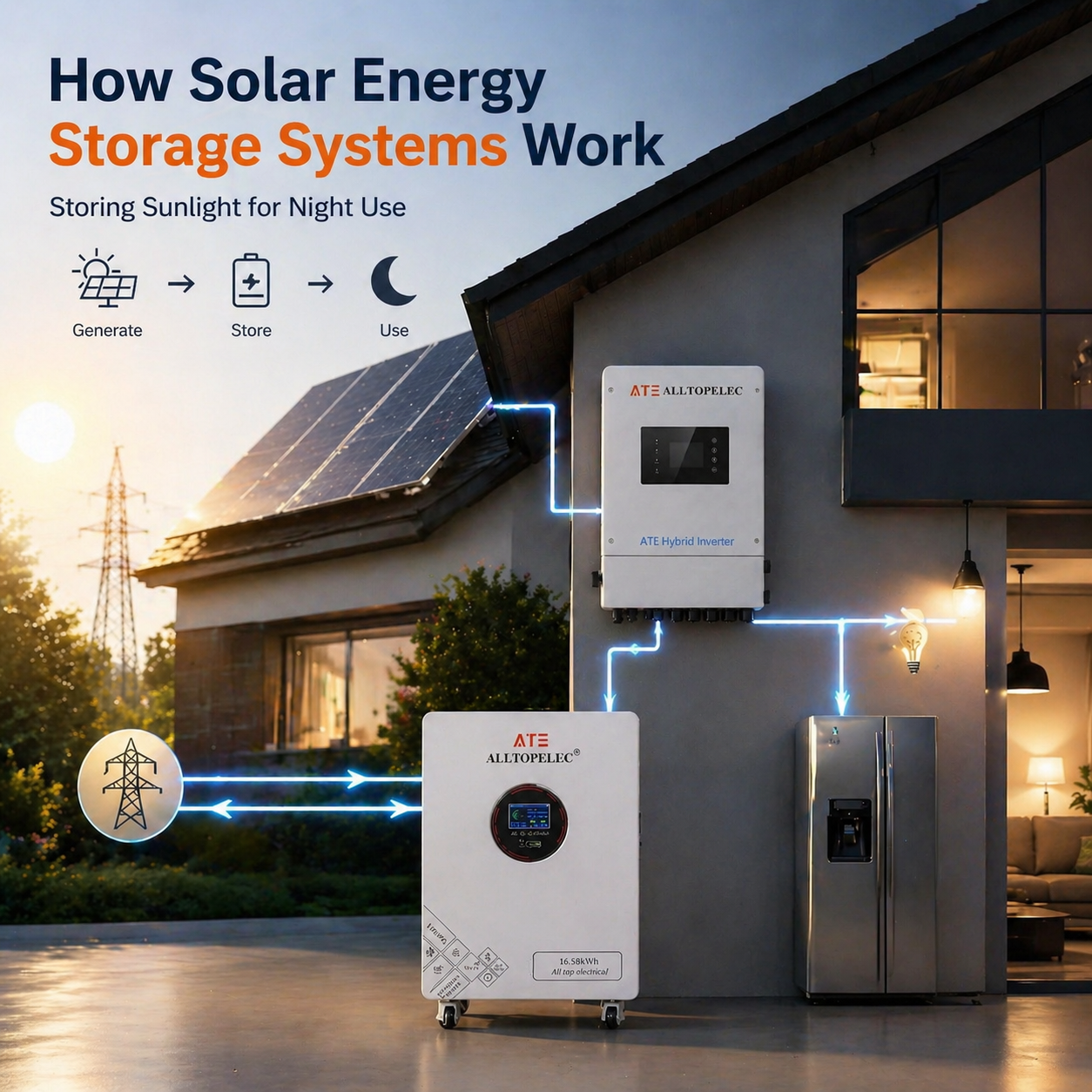
PV Array: Electricity generator.
Inverter/Charger: System brain; converts DC<->AC, manages energy flow.
Battery Bank: Energy storage unit (typically LFP).
Battery Management System (BMS): Protects and monitors the battery.
Energy Management System (EMS): Intelligent software for optimal scheduling.
Grid Connection: (For hybrid systems) Connection to the utility grid.
Operational Modes:
1. Sunny Day (Generation > Consumption):
Priority 1: Power Home Loads with solar energy.
Priority 2: Charge Battery with excess solar.
Priority 3: Export to Grid (if battery is full and net metering is available).
2. Night/Cloudy Day (Consumption > Generation):
Priority 1: Power Home Loads from the battery.
Priority 2: Draw from Grid if the battery is depleted or for very high loads.
3. Grid Outage:
The system islandes (disconnects from grid) in milliseconds.
Critical Loads Panel: Often powers essential circuits only from the battery.
Solar can continue charging the battery if the sun is shining.
Key Technologies:
Battery Chemistry:
LFP is the dominant choice for safety and daily cycling.
2. System Architecture:
AC-Coupled: Battery has a separate inverter. Easier to retrofit to existing solar.
DC-Coupled: Battery connects to the DC side of the solar inverter. Higher round-trip efficiency.
Hybrid Inverter: An all-in-one unit combining PV and battery management.
3. Smart Control Strategies:
Time-Based Control: Charge/discharge based on time-of-use electricity rates.
Self-Consumption Maximization: Algorithm prioritizes using your own solar.
Backup Reserve: Keeps a portion of the battery charged for outages.
4. Sizing Your Storage:
Battery Capacity (kWh): Based on your nightly energy use and desired days of autonomy (off-grid). e.g., 10 kWh can power essentials overnight for an average home.
Battery Power (kW): Based on the maximum power of appliances you want to run simultaneously (e.g., well pump + refrigerator).
Benefits:
Increase Self-Consumption: From ~30% to 70%+ of your solar energy.
Reduce Bills: Avoid buying expensive peak-time grid electricity.
Backup Power: Maintain power during grid outages.
Grid Support: Potential for future VPP participation.